
Home
The Elephant in the Energy Centre
- Details
- Written by: John C Burke
- Category: CHP - Heat Networks
- Hits: 78
Manchester's CHP Paradox
EXECUTIVE SUMMARY
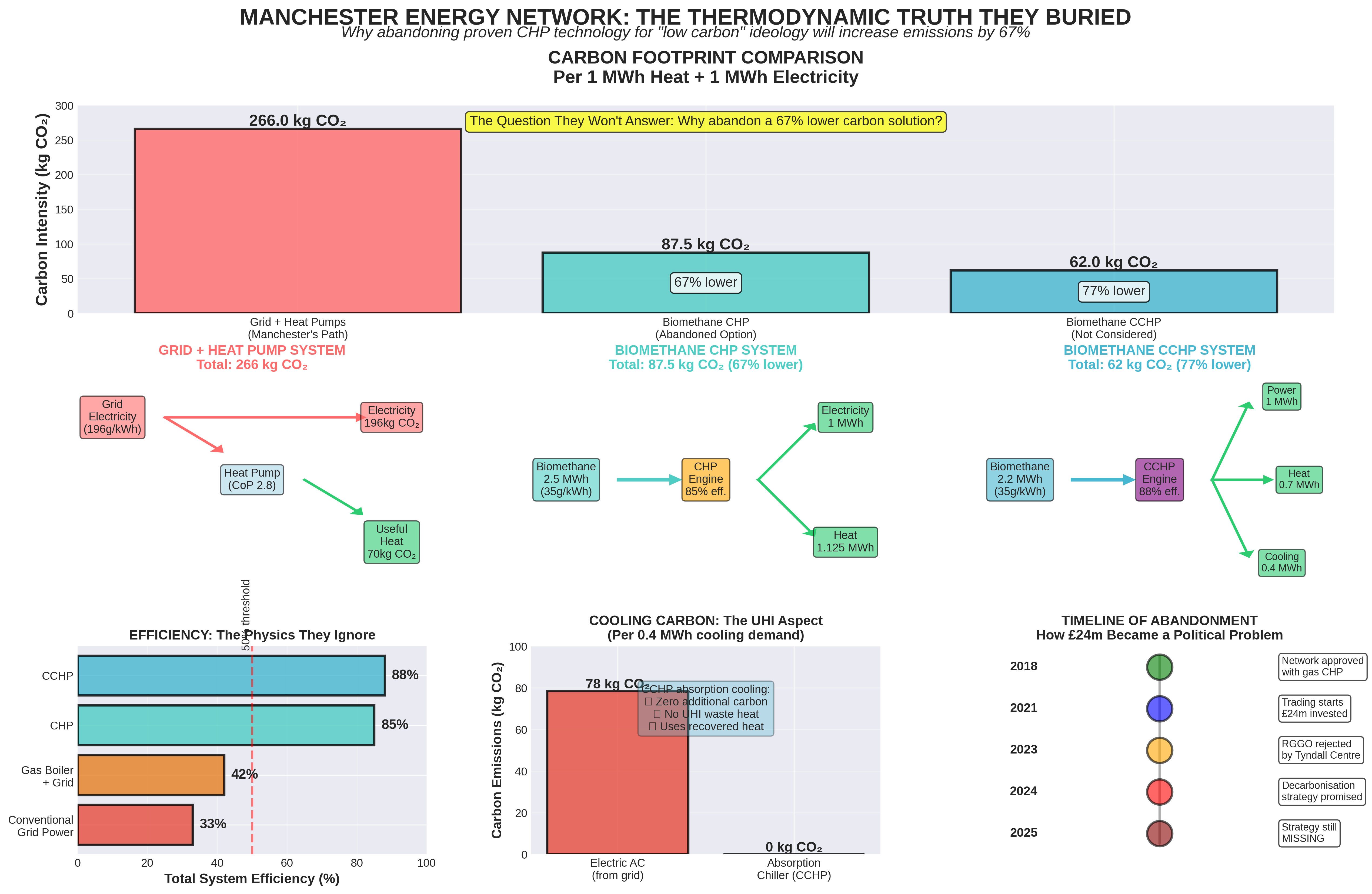
Manchester City Council invested £24 million in a state-of-the-art Combined Heat and Power (CHP) network capable of achieving 85% energy efficiency and generating both heat and electricity for iconic civic buildings. Three years later, despite mounting financial losses of £1.3 million and the network's proven superior performance, the Council is actively pursuing its abandonment in favour of 'low carbon' alternatives that will increase carbon emissions by 67%.
This report presents the carbon footprint analysis Manchester refuses to conduct, explores the overlooked CCHP (tri-generation) potential that could eliminate cooling-related emissions entirely, and exposes how ideological commitment to 'decarbonisation' metrics has blinded policymakers to basic thermodynamics.
We have coined a new 'term' "Carbon (dioxide) Prejudice" - when discounting alternatives, nor doing the analysis - if Methane is involved
integrated urban metabolism optimization
- Details
- Written by: John C Burke
- Category: CHP - Heat Networks
- Hits: 153
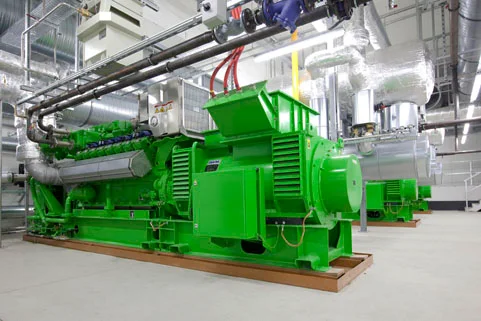 That title is a mouthful but - all possible!
We have created a desk-top study of the energy generation AND energy efficiency Upgrades POSSIBLE for just LONDON - and this would be replicatable for all major cities in the UK and a great many Towns too. If only there was the political WILL to target:
- Energy Efficiency
- Organic Wastes to Bio-Methane - distributed via the UK's extensive Gas Grid/Network
These two easy to understand concepts, would also achieve substantial inroads into the current targets of CO2 reductions and Decarbonisation - as demanded by Government
Back to our Study, in the concluding remarks we have:
The integration of thermal hydrolysis, conversion of incineration to digestion, and deployment of biomethane-fuelled trigeneration systems across London represents a transformational opportunity:
District Cooling
- Details
- Written by: John C Burke
- Category: Cooling
- Hits: 90
In city Scapes District Cooling (Chilled water Networks) will offer big energy efficiency gains. By moving to a chilled water network - this will displace electriciy demand (from Air Conditioning - Heat Pumps) and ultimately counter the Urban Heat Island effects.
The demand for cooling is expected to grow significantly in the coming decades, driven by rising living standards and increasing global temperatures. To minimize the impact of cooling demand, it is vital to both adapt building standards and designs to reduce cooling requirements and ensure that any remaining cooling demand is met in the most efficient and sustainable manner possible.
In dense urban areas, one of the most promising cooling solutions is district cooling (DC). However, the design and area coverage of a district cooling system (DCS) is highly dependent on local conditions, leading to a wide range of potential opportunities and benefits for local communities.
Although the technical solutions for establishing DC are mature and have been proven over multiple decades, a shift in mindset is needed regarding cooling supply solutions, particularly in dense urban areas. To facilitate the growth of the DC sector and enable it to reach its full potential, focused regulation and long-term energy planning are essential. Clear regulations and policies will help reduce the perceived risks associated with DCS, making it easier for utilities to attract the necessary capital for establishing such systems.
The purpose of this document is to highlight the benefits of DC and present selected case studies that operate in vastly different climate conditions. The case studies are chosen to showcase how different local opportunities can create a strong business case for the technology, even in locations which at a first glance might not be considered particularly suitable for DC. These case studies may inspire decision makers to look for local opportunities – synergies with other sectors – that can strengthen the case for development of DCSs as sound business investment opportunities.
Heat Network Regulation
- Details
- Written by: John C Burke
- Category: CHP - Heat Networks
- Hits: 95
 Ofgem Heat Networks Regulation: Protecting Consumers or Stifling Innovation?
An Analysis of the Fair Pricing Protection Guidance Consultation: The Promise and the Problem
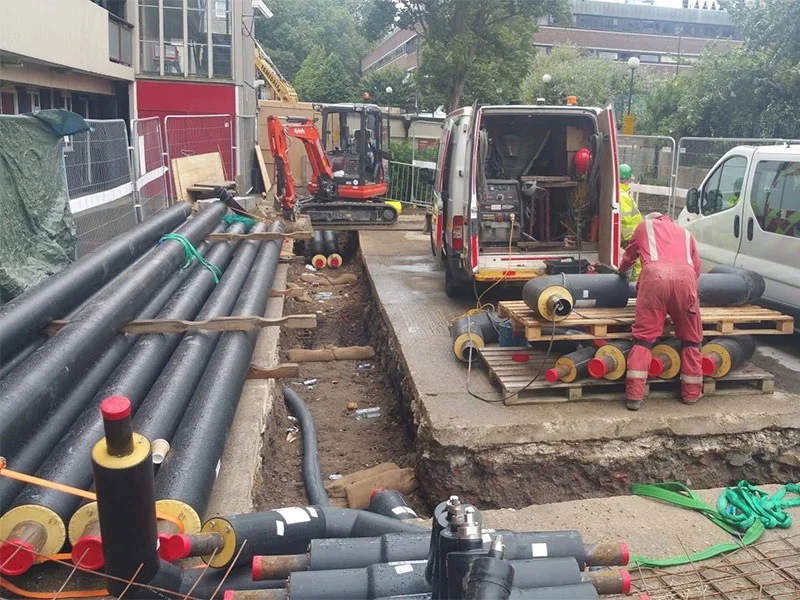
Heat networks represent one of the most thermodynamically sensible solutions to reducing energy waste in the UK. By capturing waste heat from power generation, industrial processes, and data centres that would otherwise be discarded, they offer genuine efficiency gains regardless of carbon accounting metrics.
Yet Ofgem's latest consultation on heat networks regulation reveals a troubling misalignment between stated objectives and likely outcomes. While claiming to support market growth, the framework may actually entrench exactly the barriers preventing heat networks from reaching their full potential.
The Regulatory Paradox
The consultation framework attempts to balance three objectives:
- Protecting captive consumers
- Supporting sector investment
- Meeting net zero targets
But these goals pull in fundamentally different directions, and the draft guidance reveals which objective takes priority.
Page 1 of 2